
Pipeline Heater
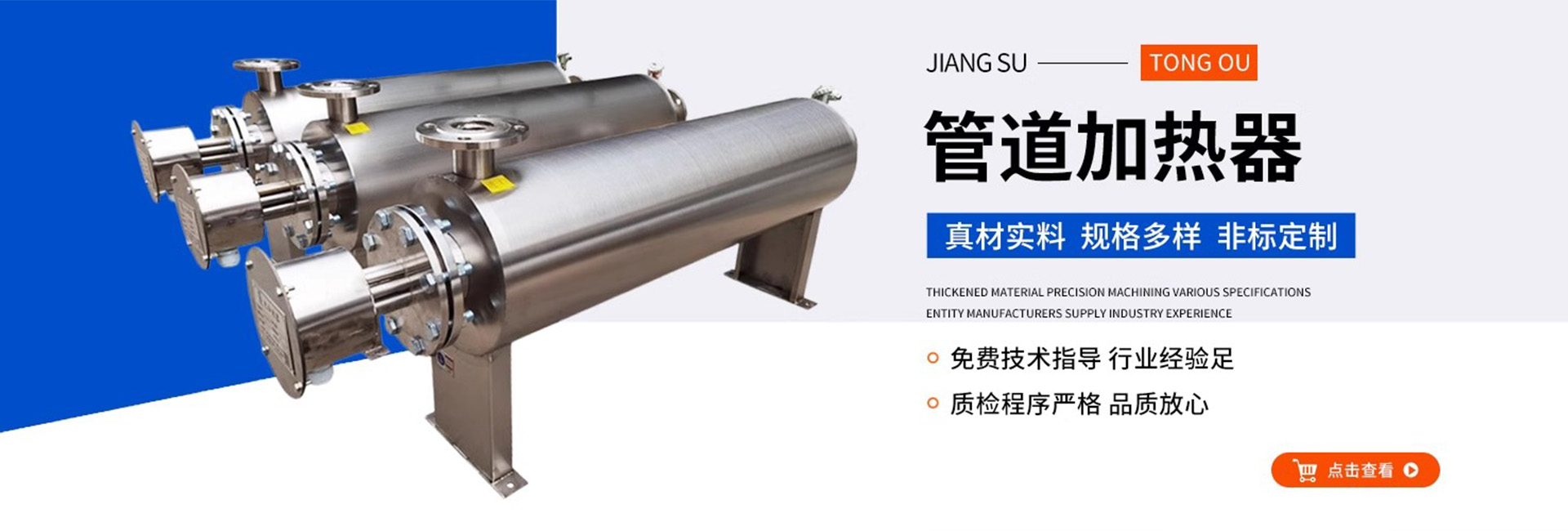
Pipeline Heater (Pipeline Heater / Inline Heater), also known as inline heater, sheathed tubular electric heater, duct-type electric heater, is an electric heating device installed in series in a pipeline system, used for continuous heating of gas or liquid media flowing through the pipe, raising them from inlet temperature to the outlet temperature required by the process.
Pipeline heaters work based on the Joule heating effect. Low-temperature fluid media enter the heater from the inlet under pressure, flow along specific heat exchange channels inside the cylinder, absorb the high-temperature thermal energy generated by the electric heating elements, and then discharge from the outlet as high-temperature media meeting the process temperature requirements.
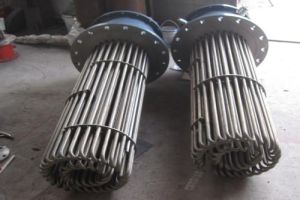
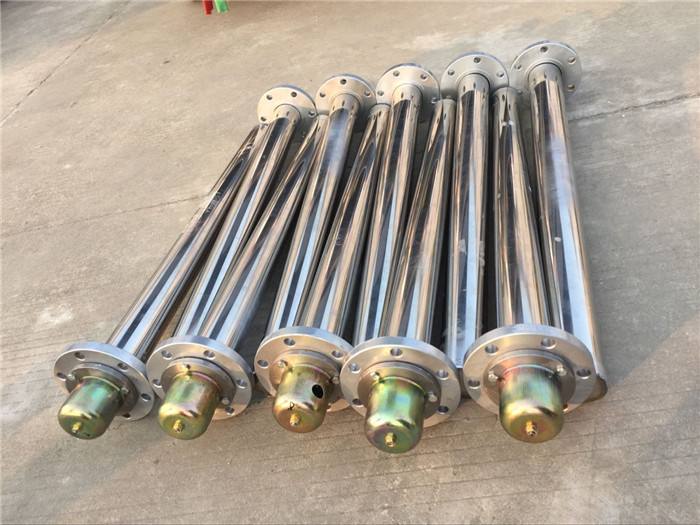
Its core heating element is a high-temperature resistance wire (nickel-chromium alloy or iron-chromium-aluminum alloy) placed inside a metal tube, with the gaps tightly filled with crystalline magnesium oxide powder having good insulation and thermal conductivity, formed by compression process. Heat is conducted step by step from the resistance wire → magnesium oxide powder → metal sheath tube → medium.
Guide baffles are installed inside the cylinder to guide the medium flow path, making the heating more uniform and avoiding local overheating or short-circuit flow.
Component Material/Specification Function
Cylinder/Shell Carbon steel/Stainless steel Pressure vessel, containing heating elements and medium
Electric heating element Stainless steel sheath tube + nickel-chromium alloy wire + crystalline magnesium oxide powder Electrical energy→thermal energy conversion
Guide baffle Stainless steel Optimize medium flow path, ensure uniform heating
Temperature controller PLC/DCS + PID + thermocouple/RTD Closed-loop temperature control, accuracy ±0.8~±1℃
Overheat protection device Independent temperature switch Automatic power-off on over-temperature, prevent coking and carbonization
Safety valve Stainless steel Overpressure relief protection
Insulation layer Aluminum silicate/rock wool Reduce heat loss
Type Applicable medium Features
Gas pipeline heater Air, nitrogen, argon, ammonia, natural gas, etc. Fast heating, temperature up to 1050℃
Liquid pipeline heater Water, thermal oil, heavy oil, lubricating oil, diesel, chemical solutions, etc. Need to consider medium specific heat capacity and fluidity
By heating method
Table
Download as table
Export as image
Type Principle Applicable scenarios
Direct type Heating elements directly immersed in medium High thermal efficiency, mostly used for liquid heating
Indirect type Heat transfer through medium (water/steam/air) High safety, suitable for food and pharmaceutical industries
Type Features Typical applications
Flange connection type Flange connects to pipeline, good sealing Industrial pipeline systems
External clamp type Bearing shell structure clamped on pipe outer wall Pipeline anti-freeze insulation
Circulation type Equipped with circulation pump, medium forced through heater Thermal oil furnace, molten salt systems
Rated power 2kW~6000kW
Rated voltage 220V / 380V
Gas heating temperature 0~1050℃ (some high-temperature models can reach above 850℃)
Liquid heating temperature 0~350℃
Standard pressure bearing 1.0~8MPa (high-pressure custom up to 10~20MPa)
Gas processing capacity Up to 55000m³/h
Liquid flow rate Up to 120m³/h
Heating tube surface load 1.2~3.8W/cm²
Temperature control accuracy ±0.8~±1℃
Electric-to-thermal conversion efficiency ≥98%
Explosion-proof grade Up to Ex db IIC T1-T6 Gb
Protection grade IP54 (standard) / IP65 (explosion-proof and corrosion-resistant models)
Liquid medium
Required power (kW) = Mass flow rate (kg/h) × Specific heat capacity (kJ/(kg·℃)) × Temperature difference (℃) ÷ 3600 ÷ Thermal efficiency
Specific heat capacity of water is 4.2 kJ/(kg·℃), thermal oil is 2.1 kJ/(kg·℃)
Thermal efficiency is generally 0.9~0.95
Gas medium
Required power (kW) = Volume flow rate (m³/h) × Air density (kg/m³) × Specific heat at constant pressure (kJ/(kg·℃)) × Temperature difference (℃) ÷ 3600 ÷ Thermal efficiency
Under standard conditions, air density is 1.2 kg/m³, specific heat at constant pressure is 1.005 kJ/(kg·℃)
Thermal efficiency is generally 0.8~0.9
Working condition Recommended margin
Conventional intermittent operation +10%
24-hour continuous operation +20%
Winter northern outdoor/no insulation layer +30%
Northern severe cold regions +30%~50%
Outdoor exposed pipelines +20% heat loss compensation
Petrochemical industry
Heavy oil/lubricating oil/diesel preheating, natural gas pressure reduction station heat tracing, polymerization reaction feed heating
Power and energy
Power plant raw water heating, boiler feedwater preheating, solar pipeline anti-freeze
HVAC
High-rise building hot water circulation, heating system supplementary heat
Chemical and pharmaceutical
Chemical medium heating, dairy sterilization transportation, reactor feed preheating
Metallurgy and mining
Molten salt heating, low melting point alloy melting
Marine equipment
Engine room/oil tank heating, inert gas system heating
Scientific research and experiments
Aerospace, weapons industry, university laboratory material heating
JB/T 2379-2016 Metal tubular electric heating elements Core industry standard
GB 3836 series Electrical equipment for explosive atmospheres Explosion-proof design basis
GB/T 23150-2024 Tubular heaters for water heaters Implemented from April 1, 2025
Strictly prohibited to energize without medium flow: Heating can only be turned on when the medium continuously flows through the heater; dry burning will cause the element to overheat and burn out
Medium flow rate requirements: Liquid media such as thermal oil require a flow rate of ≥0.3m/s to ensure sufficient heat exchange
Surface load control: Surface load of oil heating tubes is recommended to be ≤0.7W/cm² to prevent local overheating and carbonization
Tube surface temperature limit: The heating tube surface temperature should be at least 30℃ lower than the medium boiling point
Regular insulation resistance testing: When cold insulation resistance is below the standard value, it should be shut down for maintenance
Interlocked protection operation: Must be used with temperature, pressure, flow and other interlock control devices to ensure automatic power-off under abnormal conditions
Winter anti-freeze: After shutdown, the internal medium should be drained to prevent freezing and bursting of pipes