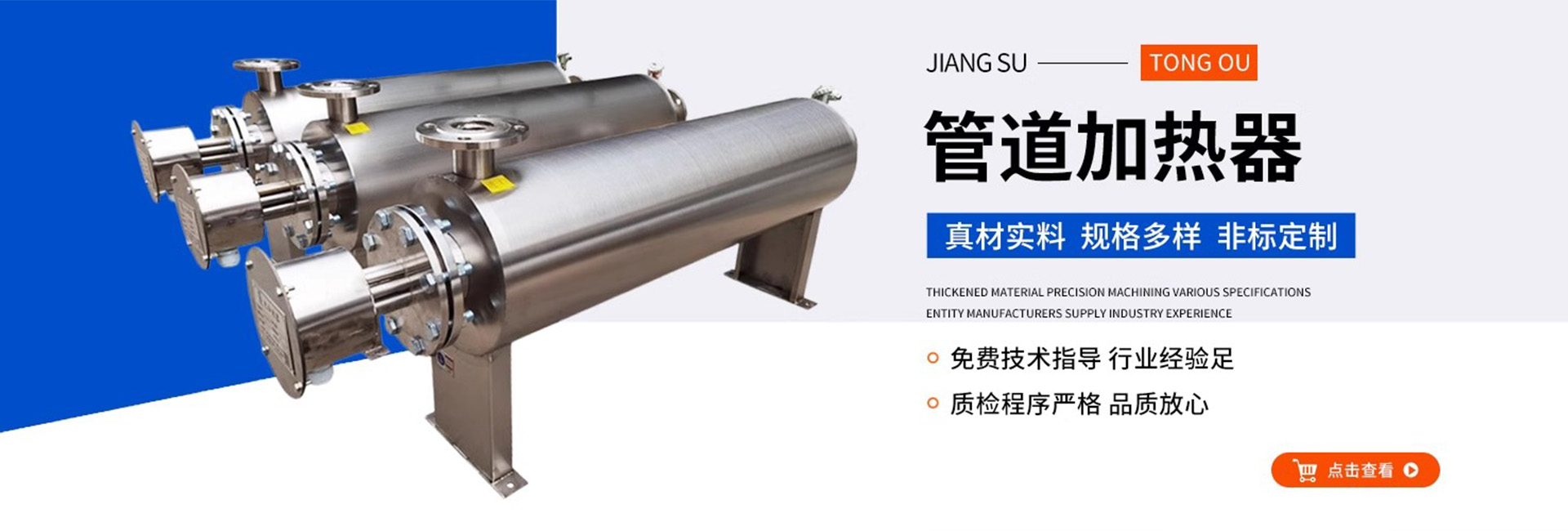

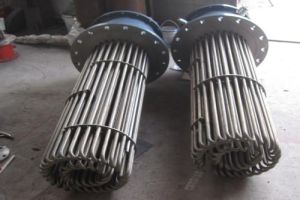
Sheathed Electric Heater
The "sheathed electric heater" you mentioned is commonly referred to in industry as a sheathed heater, armored heater, or mineral insulated heater (MI Heater).
It is a solid, flexible, or rigid electric heating element formed by encapsulating a resistance heating wire core, high-temperature inorganic insulating material, and metal sheath through precision drawing, tube reduction, and other processes. Compared with ordinary tubular heaters, its structure is denser, and its mechanical strength and electrical performance are superior, representing a significant advancement in electric heating technology.
Core Structure and Working Principle
The hallmark feature of a sheathed heater is its "core wire-insulation-sheath" three-layer coaxial structure:
Resistance heating core wire: Located at the center, it is the heat source. Common materials include nickel-chromium alloys (NiCr), iron-chromium-aluminum alloys (FeCrAl), and special alloys such as molybdenum-based and platinum-based alloys for ultra-high temperatures.
High-temperature insulation layer: Wraps the core wire, typically made of high-purity magnesium oxide powder (MgO). It combines high insulation and high thermal conductivity, compacted through repeated diameter reduction and annealing to ensure the core wire is centered and heat is efficiently conducted.
Metal sheath: The outermost layer provides mechanical protection, corrosion resistance, and acts as a heat transfer medium. The material is selected based on working conditions, such as 304/316L stainless steel, Incoloy 800/825, titanium alloy, Hastelloy, etc.
Working principle: Current passes through the central resistance wire to generate Joule heat, which is radially conducted through the highly thermally conductive magnesium oxide insulation layer to the inner wall of the metal sheath, and then transferred from the outer surface of the sheath to the heated object through convection, radiation, or contact conduction.
Core Performance Characteristics
Compared with traditional tubular heaters, sheathed heaters have significant advantages:
High mechanical strength and flexibility: The dense solid structure enables it to withstand high pressure (up to 64MPa), while being bendable like a cable into U-shapes, spirals, and other complex shapes, adapting to complex installation environments.
Excellent electrical performance: High-purity, high-density magnesium oxide powder allows the insulation resistance at room temperature to reach above 1000MΩ, which is 20 times that of ordinary tubular elements, ensuring extremely high insulation reliability.
High temperature and corrosion resistance: The continuous working temperature can range from 300°C to over 2000°C (depending on the material system), and the metal sheath can resist corrosion from various acids, alkalis, salts, and process gases.
Excellent vacuum compatibility: The fully sealed structure results in an extremely low outgassing rate (<10⁻⁹ Torr·L/s·cm²), meeting ultra-clean and vacuum process requirements in semiconductor, optical coating, and other applications.
Long life and high reliability: The heating wire has minimal processing damage, reliable insulation, and good sealing, with a service life of up to 10,000-50,000 hours.
Main Types and Application Scenarios
Sheathed heaters come in various forms and are widely used:
Table
Download as table
Export as image
Product Form Typical Features Main Application Scenarios
Flexible MI heating cable Small diameter (1-6mm), continuously bendable, length up to tens of meters Pipe/tank heat tracing and freeze protection, reactor jacket heating, large drying rooms, snow and ice melting
Rigid sheathed heating rod Larger diameter (3-20mm), fixed length, high mechanical strength Mold heating, high-viscosity fluid heating, internal heating of high-pressure vessels
Precision-formed parts Can be processed into complex structures such as spirals, rings, and special shapes Semiconductor wafer heating plates, vacuum CVD/PVD reaction chambers, lithography machine heating modules
Industry Clusters and Representative Manufacturers
Your location, Yangzhou, Jiangsu (especially Baoying County), is an important industrial cluster for sheathed heaters in China, with a complete industrial chain and numerous professional manufacturers. For example:
Jiangsu Aoqi Electric Technology Co., Ltd.: Located in Baoying, Yangzhou, it focuses on special heating solutions. Products include sheathed heaters, MI heating cables, vacuum heating elements, etc., widely used in photovoltaic, semiconductor, solar thermal power generation, and other fields.
Provides stainless steel sheathed electric heaters, with products covering various tube diameters and power specifications, serving energy, semiconductor, ship transportation, and other industries. Key Points for Selection and Use
Accurately match working conditions: Clearly define the maximum working temperature, heating medium (air, water, oil, corrosive liquids, etc.), and whether it is vacuum or inert atmosphere. This is the basis for selecting sheath material and insulation material.
Reasonably design power: Calculate the required power based on the medium, heating rate, and heat loss, avoiding excessive power density that may cause sheath overheating or insulation degradation. For example, when heating oil, the surface power density should be controlled at 1-3W/cm².
Standard installation:
When bending, the radius should not be too small (usually ≥6 times the element diameter) to avoid damaging the internal structure.
Ensure good sealing at the wiring end to prevent moisture and impurities from entering.
In vibration environments, anti-vibration clamps should be installed to prevent fatigue fracture.
Pay attention to standards: Confirm that the product complies with industry standards such as JB/T 12233-2015 "Sheathed Electric Heaters".