
In-line Heater
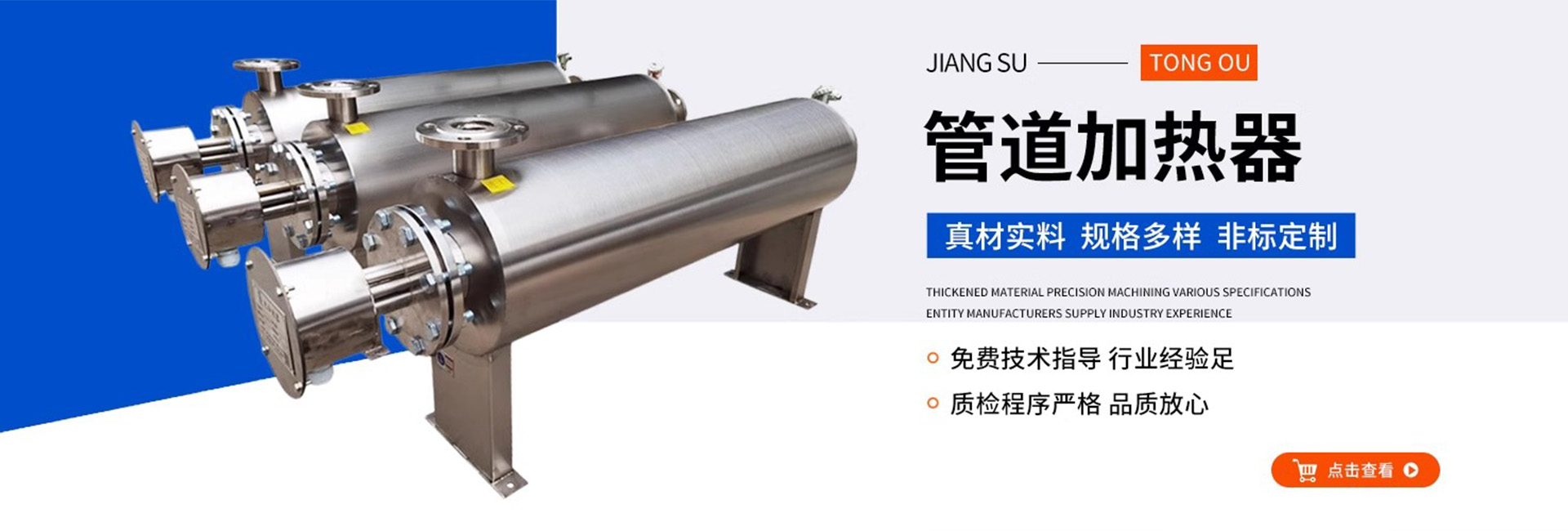
An in-line heater (also known as a pipeline heater or online heater) is an electric heating device specifically designed to heat pipelines or the fluid medium (gas or liquid) flowing within them. It plays a crucial role in industrial production, ensuring that fluids reach and maintain the required temperature during transportation or process treatment.
⚙️ Core Structure and Working Principle
The design of the in-line heater cleverly converts electrical energy into thermal energy and achieves efficient heat exchange through fluid dynamics.
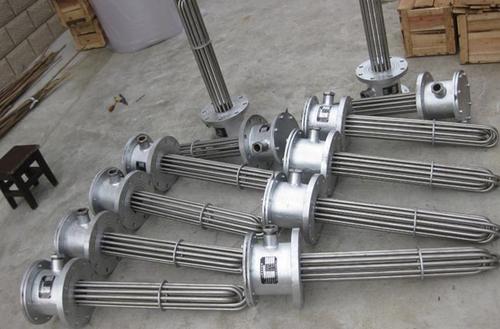
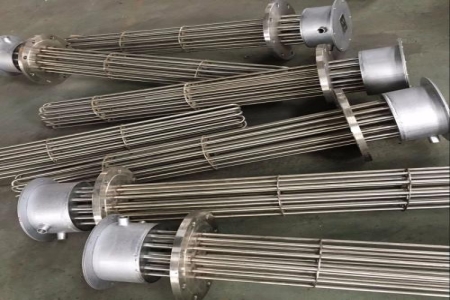
Core Structure: It mainly consists of a heating container (shell), multiple tubular electric heating elements, and flow deflectors. Inside the tubular heating element is a high-resistance alloy heating wire, with the gaps tightly filled with crystalline magnesium oxide powder (MgO) that has good insulation and thermal conductivity.
Working Principle:
Joule Heating Effect: When powered on, the internal resistance heating wire converts electrical energy into thermal energy, which is then conducted through the magnesium oxide powder to the metal sheath tube.
Fluid Heat Exchange: Low-temperature fluid enters the heater shell under pressure. The flow deflector plates set inside the shell guide the fluid along a specific path, allowing it to fully and uniformly absorb the heat generated by the electric heating elements, and finally discharge the high-temperature medium that meets process requirements from the outlet.
Core Features and Advantages
High Efficiency and Energy Saving: With high thermal efficiency, it can quickly heat the medium to the target temperature in a short time, significantly reducing energy consumption compared to traditional heating methods.
Precise Intelligent Temperature Control: Equipped with a control system consisting of a microcontroller, temperature sensors, and thyristors, it can automatically adjust the heating power based on the outlet temperature signal to achieve constant temperature control.
Safe and Reliable: Modern in-line heaters integrate multi-level safety systems, including mechanical protection, electrical protection, and system linkage protection. In case of over-temperature or no medium flow (dry burning), the overheat protection device immediately cuts off the power to prevent accidents.
Strong Adaptability: Depending on the medium characteristics (such as corrosiveness), stainless steel materials like 304 or 316L can be selected, and non-standard customization is supported based on site space and process requirements.
Main Classifications and Application Scenarios
According to the heating medium, in-line heaters are mainly divided into two categories:
Table
Download as Table
Export as Image
Category Typical Heating Medium Main Application Areas
Gas In-line Heater Air, nitrogen, hydrogen, etc. Industrial air duct heating, drying rooms, heat treatment, chemical process gas heating
Liquid In-line Heater Water, heavy oil, lubricating oil, diesel, chemical solutions, etc. Power plant raw water heating, chemical material preheating and viscosity reduction, reactor heating, melting salt/alkali
Selection and Safety Operation Guide to Avoid Pitfalls
Strictly Match Medium and Material: The primary consideration in selection is the type of material to be heated. For corrosive media, corrosion-resistant materials (such as 316L stainless steel) must be used; otherwise, it is very easy to cause tube wall perforation and leakage.
Never Dry Burn Without Medium: This is the most fatal operational taboo for in-line heaters. Only when the medium continuously flows through the heater can the heating power be turned on. It is strongly recommended to interlock a flow detection switch in the system to ensure "medium first, then power; power off first, then stop medium."
Pay Attention to Surface Load: For liquids prone to coking such as heavy oil and lubricating oil, heaters with low surface load must be selected to prevent local overheating of the medium on the heating tube surface, which can cause carbonization and coking, affecting heat transfer or even burning out the heating tube.
Standardize Installation Direction: Whether installed horizontally or vertically, it is usually required that the medium inlet is at the bottom of the heater and the outlet at the top, to ensure the heater is always filled with liquid and avoid air accumulation forming dry-burning dead zones.
Value Safety Accessories: A safety valve must be installed at the heater inlet, and a temperature controller and thermal safety cut-off device should be equipped to ensure automatic power cut-off under abnormal conditions.