
Tubular Electric Heater
Tubular electric heater (also known as tubular electric heating element) is a widely used resistance-type electric heating device, extensively applied in household appliances, industrial equipment, commercial equipment, and laboratory equipment to heat various media such as air, liquids, and metal molds.
Core Structure and Working Principle
The core principle of a tubular electric heater is to generate heat through the Joule heating effect when current passes through a resistive material. Its basic structure includes:
Metal protective tube: As the outer shell, usually made of stainless steel, copper, titanium alloy, carbon steel, or aluminum, serving to protect internal components and conduct heat.
Resistance heating wire: The core heating element, typically made of nickel-chromium alloy (Ni-Cr) or iron-chromium-aluminum alloy (Fe-Cr-Al) wire, uniformly distributed along the central axis inside the tube.
Insulating filler: The gap between the heating wire and the protective tube is tightly filled with crystalline magnesium oxide powder. It has excellent thermal conductivity and electrical insulation.
Sealing materials and lead-out rods: Both ends of the tube are sealed with silicone, epoxy, or glass materials to prevent moisture and impurities from entering; lead-out rods are used to connect to an external power supply.
When an external power supply applies voltage, current flows through the resistance wire, causing its temperature to rise sharply. The generated heat is rapidly and uniformly conducted through the magnesium oxide powder to the outer metal protective tube, which then transfers the heat to the medium to be heated via conduction, convection, or radiation.
Main Types and Application Scenarios
Based on shape, medium, and special requirements, tubular electric heaters have multiple classifications:
By shape: straight type (single-ended/double-ended), U-type, W-type, spiral type, and special-shaped heating tubes.
By heating medium:
Liquid heating: used in water heaters, oil tanks, acid and alkali tanks, etc.
Air heating: used in drying ovens, air heaters, drying rooms, etc.
Mold/solid heating: used for temperature control of injection molding machines, die-casting machine molds, or melting low-melting-point metals.
Special structural types:
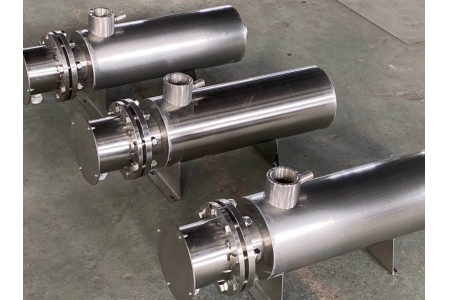
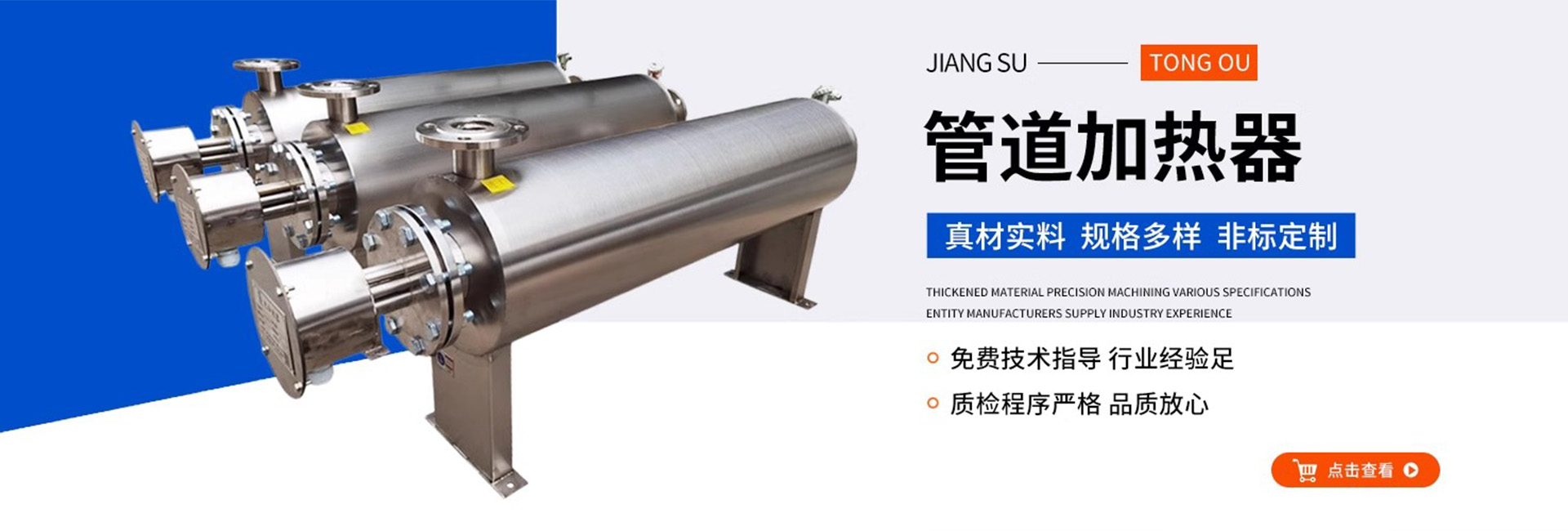
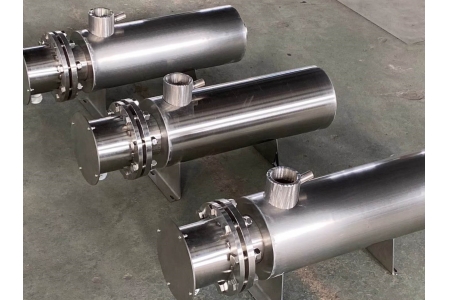
Sheathed heater: An additional protective tube is added outside the heating core to isolate the heating element from the medium. The advantage is that during maintenance, only the core needs to be replaced without draining the medium.
Mineral-insulated cable heater: Borrowing from the process of mineral-insulated thermocouples, it is repeatedly drawn and reduced to form a compact solid body. Its characteristics are slender shape, arbitrary bendability, high mechanical strength, and uniform heating, suitable for complex environments or local spot heating.
Explosion-proof heater: Equipped with an explosion-proof junction box, used in hazardous environments with flammable and explosive gases such as in petroleum and chemical industries.
Selection and Usage Precautions
Correct selection and standardized operation are key to ensuring safety and extending service life.
Key selection parameters: Comprehensive consideration should be given to heating medium, installation space, voltage and power (e.g., 220V/380V), working temperature and pressure, etc.
Strictly prohibit dry burning: If a liquid heater is powered on when there is no water or the liquid level is below the heating zone, it will burn out instantly.
Reliable grounding: The metal shell must be effectively grounded to prevent electric leakage accidents.
Prevent moisture: The magnesium oxide powder at the wiring terminals and outlet openings is prone to absorbing moisture; keep it dry to prevent insulation degradation.
Regular maintenance: Promptly remove scale, carbon deposits, or dust from the tube surface to avoid affecting heat dissipation, which could lead to local overheating and shortened lifespan.
Special media handling: When heating easily meltable substances such as solid nitrate salts or paraffin, first reduce the voltage, and after complete melting, raise it to the rated voltage.