

Darui Electric recommends
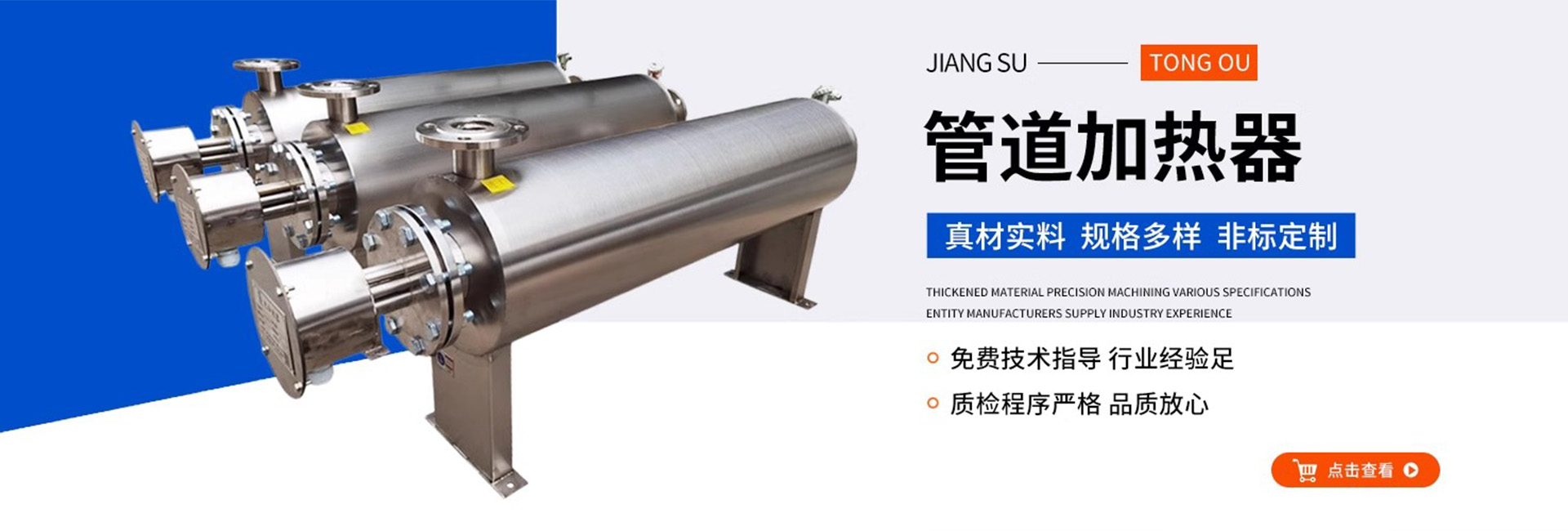
A pipeline electric heater is a device that converts electrical energy into thermal energy. The cold medium enters the heater cavity and follows a designed path, fully contacting the flange heating core inside the cavity. After reaching the required temperature, it is sent to the heat-using equipment. The heater's temperature control system automatically adjusts the heater's power based on the signal fed back by the temperature sensor at the heater outlet, saving energy while ensuring heat demand. The electric control system has built-in overheat protection. If the temperature sensor inside the heater cavity detects that the cavity temperature is too high or there is a dry-burning condition, it will immediately cut off the power to prevent material deterioration due to excessive temperature, coking, carbonization, or damage from dry burning of the heating tube.
Types of Pipeline Electric Heaters:
Pipeline electric heaters can be customized according to site conditions: water heating, air heating, compressed air heating, heating of special gases such as nitrogen, high-temperature gas heating, steam heating, thermal oil heating, corrosive fluid heating, etc.
Features of Pipeline Electric Heaters:
The medium can be heated to a very high temperature, up to850°C, while the shell is only 50°C;
Fast heating and cooling rates, up to10°C/s, with stable and rapid temperature adjustment, no issues like temperature overshoot or lag, suitable for automatic control;
The heating element is made of stainless steel alloy material, with high mechanical performance and strength under high-pressure airflow and water flow;
High thermal efficiency, up toover 90%;
Compact size, easy to operate and maintain;
With proper operation, the service life can reach over ten years, durable and long-lasting.
Applications of Pipeline Electric Heaters:
Water heating for pools, tanks, process water, reactors, etc.;
Heating of hydrocarbons such as thermal oil, asphalt, fuel oil, etc.;
Heating of gases such as air, argon, helium, nitrogen, etc.;
Heating of media under high temperature and high pressure.