
Electric Heating Plate
Analysis completed, 14 references consulted in total
Electric heating plates are one of the most core heating elements in industrial equipment. They convert electrical energy into thermal energy to achieve precise heating of workpieces such as molds, barrels, platens, and pipes. According to differences in structure, material, and heating principle, electric heating plates can be divided into many types. During selection, core parameters such as temperature, power, material, size, and temperature control accuracy need to be comprehensively considered.
I. Main Types and Applicable Scenarios
Table
Download as table
Export as image
Type Core Features Typical Working Temperature Applicable Scenarios
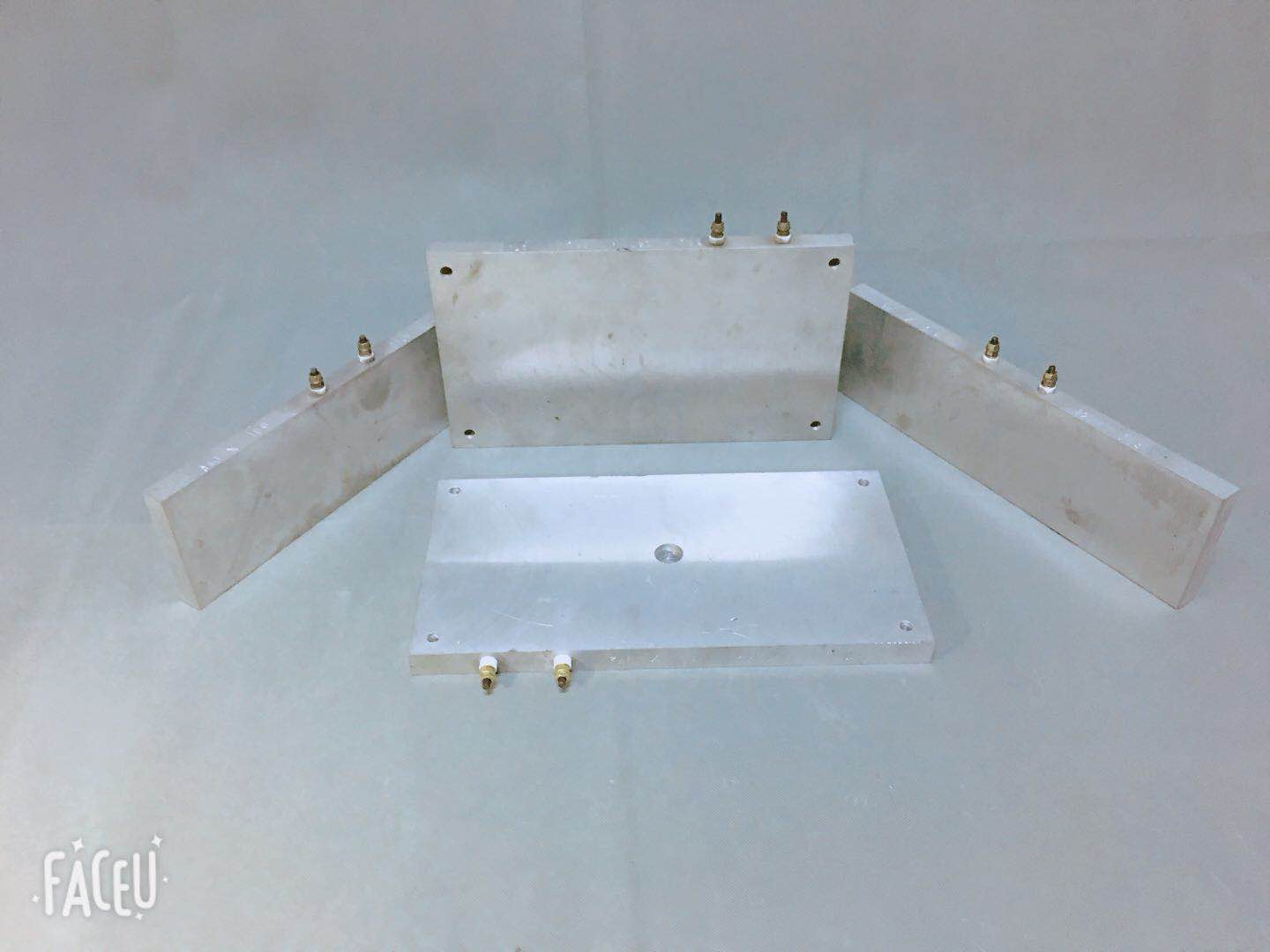
Cast aluminum/cast copper heating plate Cast from aluminum alloy/copper alloy, fast heat conduction, uniform temperature, high mechanical strength Cast aluminum ≤400℃, cast copper ≤600℃ Injection molding machine platens, extruder die heads, hot pressing molds
Stainless steel mica heating plate Mica sheet insulation + resistance wire winding + stainless steel shell, low cost, light weight 150~450℃ Extruders, injection molding machines, plastic machinery, chemical equipment
Ceramic heating plate Ceramic substrate embedded with resistance wire, high temperature resistance, good insulation, thermal shock resistance 300~700℃ High-temperature extrusion, corrosive material processing, food and pharmaceutical equipment
Silicone rubber heating plate/film Flexible fitting, uniform surface source, bendable, moisture-proof and shock-resistant -60℃~200℃ Curved tank bodies, pipeline insulation, medical equipment, new energy battery preheating
Carbon fiber heating sheet/plate Thin and light, energy-saving, fast heating, good flexibility -20℃~120℃ Laboratory equipment, medical constant-temperature chambers, cold chain transport boxes
Metal foil heating plate Stainless steel/copper foil etching, high power density, fast response -40℃~300℃ High-precision temperature control platforms, semiconductor packaging equipment
Microcrystalline glass electric heating plate Smooth surface, scratch-resistant, clean and dust-free -10℃~500℃ Laboratory magnetic stirring, cleanroom equipment
PTC self-limiting temperature heating plate Automatically reduces power when overheated, no external temperature control required Room temperature~250℃ Low-temperature constant-temperature heat tracing, dry-burn prevention scenarios
Electromagnetic induction heating plate IGBT inverter architecture, electrical energy conversion efficiency >92% ≤450℃ Injection molding machine energy-saving renovation, continuous high-load working conditions
II. Core Points for Selection
1. Temperature matching (primary parameter)
The withstand temperature of the selected heating plate must be higher than the maximum process temperature and leave a safety margin of 50℃~100℃. For example, processing PC plastic requires above 300℃, so cast aluminum cannot be selected (upper limit 400℃ but insufficient margin); cast copper or ceramic should be selected.
2. Power and surface load
Cast aluminum/cast copper heating plate: surface load generally 2.5~4.0 W/cm²
Mica/stainless steel heating plate: surface load about 2.5~3 W/cm²
Silicone rubber/flexible heating film: power density usually ≤0.15~1.5 W/cm²
Too low power causes slow heating and affects production; too high power easily leads to unstable temperature control or burning out components
3. Size and installation method
The size of the heating plate must fit tightly with the heated body (mold, barrel, platen, etc.). Excessive gap will cause heat transfer efficiency to drop by more than 30%. When purchasing, it is necessary to confirm actual measured tolerances such as length × width × thickness, mounting hole positions, and lead wire positions.
4. Material selection (according to working condition environment)
Conventional environment: cast aluminum has high cost performance
High temperature/precision temperature control: cast copper has higher thermal conductivity
Corrosive environment (PVC, halogen-containing plastics): ceramic or stainless steel
Humid/coastal areas: stainless steel + ceramic composite structure
Curved/special-shaped fitting: silicone rubber or carbon fiber flexible heating film
5. Temperature control accuracy requirements
Ordinary working conditions: external thermocouple is sufficient
Precision injection molding/semiconductor packaging: choose models with built-in thermocouple holes or embedded temperature measurement interfaces, supporting PID feedback, with temperature control accuracy up to ±0.5℃~±1.5℃
6. Safety and certification
Explosion-proof areas (chemical/oil and gas): products certified with Ex d IIB T4 or Ex d IIC T6 must be selected
Medical equipment/food contact: must comply with relevant hygiene standards
Export products: pay attention to CE, UL, RoHS and other certifications
III. Local Manufacturer Resources (Yangzhou and Surrounding Areas)
Jiangsu is an important industrial cluster for electric heating equipment in China, with many manufacturers in Yangzhou and surrounding areas. The following can be used as reference for selection:
Yangzhou local manufacturers:
Mainly engaged in plate-type electric heaters (DYB-500 model), widely used in insulation heating of electrostatic precipitator ash hopper walls, insulation heating of dehydration bin doors, insulation heating of limestone powder bins, etc. They use high-quality nickel-chromium wire + mica plate + stainless steel plate precision processing, with high mechanical strength, good insulation, and uniform heating.
Yangzhou Zhengwu Electrical Equipment Co., Ltd. (Baoying County): mainly engaged in silicone rubber heating belts, cast aluminum heating plates, paver screed heating strips, railway turnout snow-melting heating strips, etc., supporting customization of non-standard sizes, power, and aviation plugs, suitable for mainstream road construction equipment such as Sany, XCMG, and Vögele.
(Xiaji Town, Baoying County): founded in 1985, reorganized in 2013, with 14 patents and ISO9001 certification, mainly engaged in industrial electric heating tubes, heaters, and sensors, involving aerospace, military, environmental protection and other application fields.
(Guangling District): mainly engaged in electric heating appliances, heating rings, heating plates, heating tubes, ceramic heaters, oil furnace heaters, etc. Products cover scenarios such as plastic machines and food packaging dryers.
(South Industrial Concentration Zone, Baoying County): mainly engaged in electric heaters, crawler-type heaters, bolt heating rods, electric heating tubes, electric heating cables, heat treatment equipment, etc.
Production base: Xiaji Town, Baoying County): mainly engaged in stainless steel electric heating tubes, stainless steel electric heating rings, liquid heaters, mica electric heating rings, annealing furnace electric radiant tubes, etc.
: mainly engaged in stainless steel heating rings and stainless steel heating plates (mica heaters), with working temperature 150~450℃ and surface load 2.5~3 W/cm², widely used in extruders, injection molding machines, hot pressing platens, etc.
(Hanjiang District/Jiangyang Industrial Park): high-tech enterprise, specialized and sophisticated small and medium-sized enterprise, mainly engaged in radiators, automotive heaters, etc., with 41 patents.
Nearby neighboring manufacturer (Yancheng): mainly engaged in cast aluminum heating plates, relying on a complete production and processing system, long-term serving large petrochemical enterprises, listed chemical fiber companies, foreign-funded enterprises, and scientific research institutions.
The hot surface temperature difference of cast aluminum heating plates is ≤±2.5℃, with thermocouple embedded interfaces. It has provided an average of 8,600 sets of customized heating plates per year for three consecutive years to a domestic lithium battery coating machine manufacturer, and the delivery time for standard products has been compressed to 7 working days.
Focusing on structural innovation of heating plates, a 200×300mm specification heating plate has a thermal deformation of <0.08mm at a constant temperature of 300℃, suitable for temperature control platforms of high-precision optical lens coating equipment. In Q4 2025, batch delivery of 1,200 heating plates to a semiconductor packaging factory was completed, with a yield rate of 99.2%.
It has deep accumulation in the field of heating plates for explosion-proof and special scenarios. Casting heating rings/heating plates have passed CNEX explosion-proof certification (Ex dⅡBT4). Heating plate modules combining ceramic heaters and PTC heating elements have been applied to the constant-temperature humidification chamber of a domestic ventilator.
The far-infrared reactor processing device uses quartz glass tubes to encapsulate carbon fiber heating elements, with emission wavelengths concentrated at 2.5~5.6μm, equipped with multi-stage program temperature control + real-time feedback from furnace thermocouples.
Focusing on electromagnetic induction heating technology, the electromagnetic heating plate adopts an IGBT full-bridge inverter architecture, supports adjustable frequency of 20~100kHz, and has a maximum surface temperature resistance of 450℃. In an injection molding machine energy-saving renovation project, an average power saving rate of 28.6% was achieved.
IV. Usage Precautions
Cleaning before installation: remove old material, oil stains, and rust from the mold/equipment surface to ensure tight fitting between the heating plate and the heated body
Uniform tightening: fixing screws need to be tightened evenly in diagonal order to avoid local poor contact causing overheating and burning
No empty heating: it is forbidden to turn on heating for a long time without material, to prevent internal temperature from being too high and damaging components
Insulation testing: before use after long-term storage, use a megohmmeter to measure insulation resistance. If it is lower than 1MΩ, it needs to be baked in a 200℃ oven for 5~6 hours to recover
Add insulation layer: it is recommended to install an insulation cover outside the heating plate, which can reduce heat loss and save electricity by 20%~35%
Wiring specifications: the wiring part should be placed outside the heating layer and insulation layer. The shell must be effectively grounded, and the working voltage must not exceed 10% of the rated value
Regular inspection: check insulation resistance, joint sealing, and temperature controller working status to prevent safety accidents caused by insulation aging
The selection of electric heating plates needs to comprehensively consider six dimensions: temperature requirements, power matching, dimensional tolerances, material corrosion resistance, temperature control accuracy, and safety certification. If you have specific application scenarios (such as mold size, process temperature, power requirements, whether explosion-proof or energy-saving renovation is needed), I can help you further refine the selection plan or recommend suitable local manufacturers