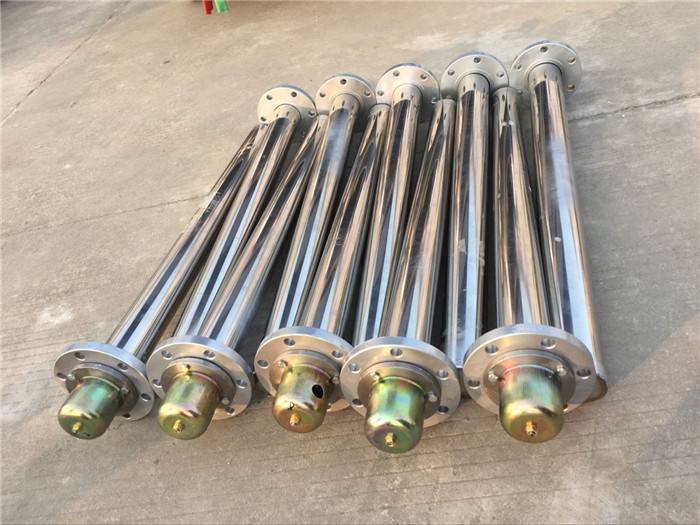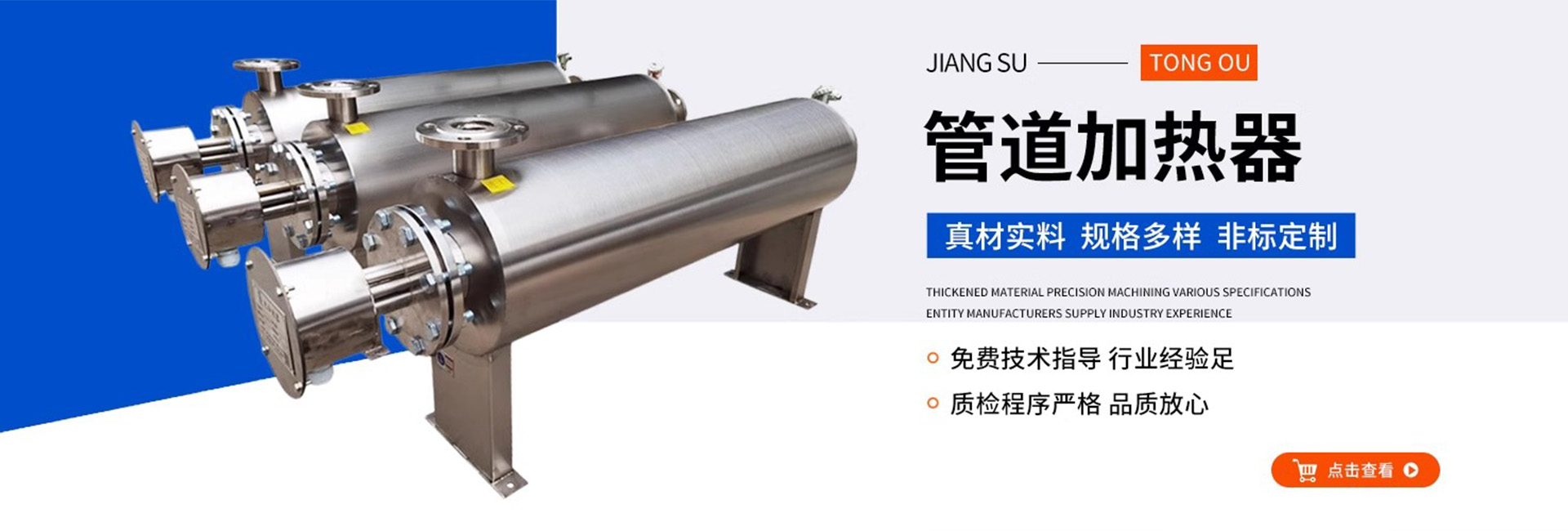

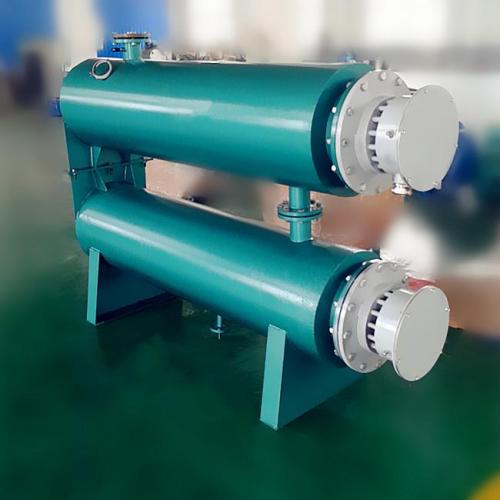
Tubular Electric Heater
Tubular electric heater, scientifically known as tubular electric heating element, is a versatile heating device that directly converts electrical energy into thermal energy. It features robust construction, high thermal efficiency, safety, and reliability, and is widely used in various heating scenarios from household appliances to industrial equipment. It is one of the most fundamental and core components in modern heating technology.
Core Working Principle and Structure
Its working principle is based on Joule's law: when current passes through a high-resistance alloy wire, heat is generated, which is then transferred through an insulating and thermally conductive medium to the surface of the metal sheath, ultimately heating the external medium.
A typical tubular electric heater consists of the following core components:
Metal Sheath Tube: Serves as the outer shell and heat transfer body. The material is selected based on working conditions, such as stainless steel (304, 316L), carbon steel, copper, titanium alloy, etc., providing mechanical support and corrosion resistance.
Heating Wire: A spiral resistance wire located at the center of the tube, serving as the heat source. Common materials are nickel-chromium alloy (high temperature resistance, good toughness) or iron-chromium-aluminum alloy (high resistivity, low cost).
Insulating Filler: Crystalline magnesium oxide (MgO) powder filled between the heating wire and the tube wall. It combines high insulation, high thermal conductivity, and high temperature resistance. After the tube-shrinking process, it ensures the heating wire is centered and heat is efficiently conducted.
Lead-out Rods/Terminals: Conductive components connecting the internal heating wire to the external power supply, usually nickel-plated to prevent oxidation.
Sealing Material: Sealing materials at both ends of the tube (such as silicone, ceramic adhesive, glass) to prevent moisture and impurities from entering, ensuring insulation performance.
Main Features
High Thermal Efficiency: The electrical-to-thermal conversion efficiency can reach over 98%, with almost all heat transferred to the heated medium.
Robust Construction: The metal sheath provides good protection, high mechanical strength, resistance to vibration and impact, and a long service life.
Safety and Reliability: The magnesium oxide insulation layer ensures good electrical insulation performance. Combined with temperature control and dry-heating protection, it operates safely.
Various Shapes: Can be processed into straight, U-shaped, W-shaped, spiral, and special shapes to adapt to different installation spaces and heating requirements.
Precise Temperature Control: With a PID temperature control system, high-precision temperature control can be achieved, with temperature errors controlled within ±1°C.
Common Types and Specifications
Tubular electric heaters come in many varieties and can be distinguished by shape, structure, and application:
Table
Download as Table
Export as Image
Classification Dimension Main Types Typical Characteristics and Applications
By Shape U-shaped/W-shaped Heating Tubes Most commonly used, easy to arrange in containers, uniform heating.
Straight Single/Double-ended Heating Tubes Suitable for pipes, molds, or single-side heating.
Spiral Heating Tubes High power per unit length, suitable for space-constrained applications.
Fin-type Heating Tubes Metal fins wound on the surface to increase heat dissipation area, specifically for air heating.
By Structure Ordinary Tubular Heaters Simple structure, low cost, suitable for general working conditions.
Sheathed Heaters The heating core and outer sheath are separable; the core can be replaced without draining the medium, making maintenance convenient.
Armored Heaters More compact structure, bendable, extremely high mechanical strength and insulation performance, suitable for complex environments.
Key Selection Parameters:
Surface Load (W/cm²): Power per unit area, a key factor determining lifespan. Higher values (e.g., 6-8 W/cm²) can be selected for heating liquids, while lower values (e.g., 1-4 W/cm²) are required for heating air or oil to prevent local overheating.
Working Voltage and Power: Determined based on heating requirements and power supply conditions, ranging from tens of watts to hundreds of kilowatts.
Tube Material: Selected based on the corrosiveness of the medium, working temperature, and pressure. For example, 316L stainless steel for weakly corrosive liquids, titanium tubes for highly corrosive environments.
Main Application Areas
Household Appliances: Water heaters, electric ovens, coffee machines, water dispensers, dishwashers, etc.
Industrial Heating:
Liquid Heating: Various oil tanks, water tanks, chemical reactors, electroplating baths, thermal oil heaters.
Gas Heating: Air duct heaters, drying ovens, drying tunnels, cleanroom air heating.
Solid Heating: Mold heating, hot press plates, metal melting furnaces.
Special Applications: Pipe heat tracing and anti-freezing, laboratory equipment, medical sterilization equipment, etc.
Selection and Usage Recommendations
Clarify Working Conditions: First determine the heating medium (water, oil, air, acid/alkali solutions, etc.), working temperature, heating power, and installation space.
Reasonable Surface Load Selection: This is crucial for extending service life. For oil or static air, be sure to choose a lower surface load; for flowing water or steam, it can be appropriately increased.
Match Material: Select the tube material based on the chemical properties of the medium to avoid corrosion and perforation.
Proper Installation:
No Dry Heating: Ensure the effective heating zone is fully immersed in liquid or in flowing air.
Reliable Grounding: The grounding terminal of the heater must be reliably grounded to ensure electrical safety.
Regular Maintenance: Timely clean scale, carbon deposits, or impurities on the tube surface, as these can seriously affect heat dissipation and cause the tube to overheat and burn out.
Pay Attention to Standards: Confirm that the product complies with relevant national or industry standards, such as GB/T 23150-2024 "Tubular Heaters for Water Heaters", JB/T 2379 "Metal Tubular Electric Heating Elements", etc.