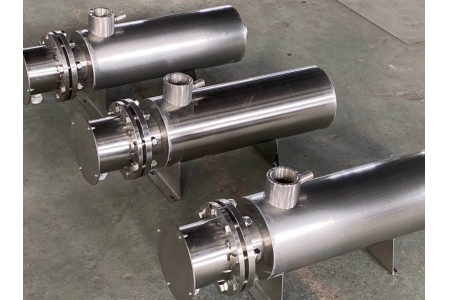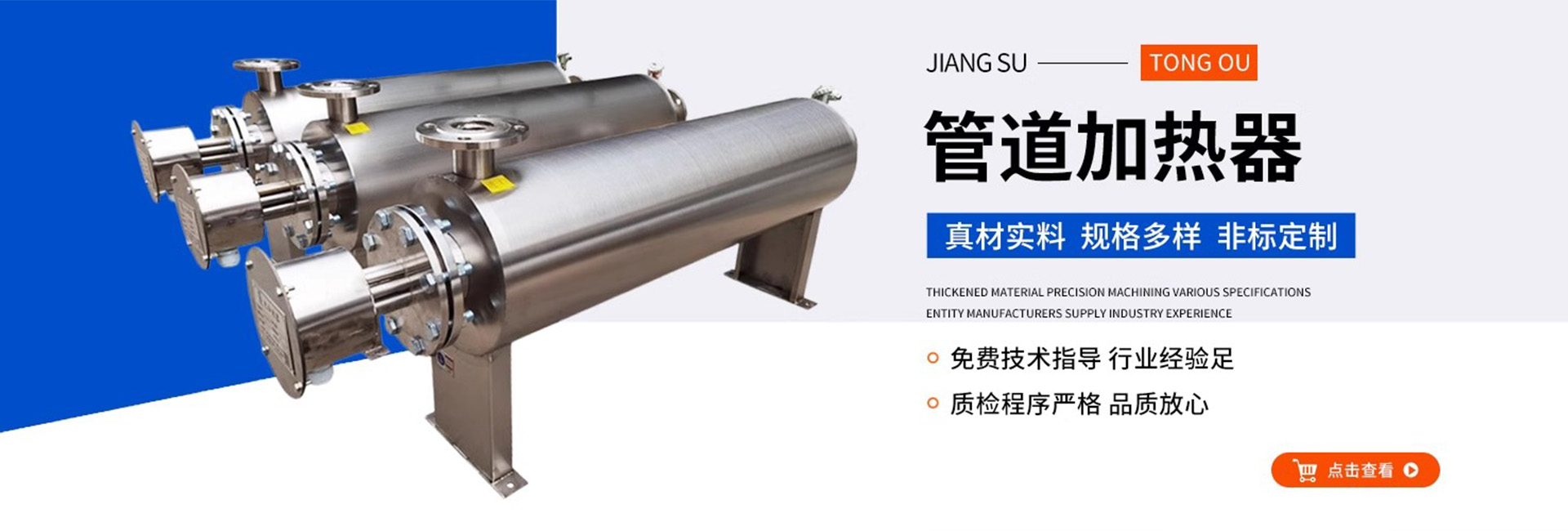

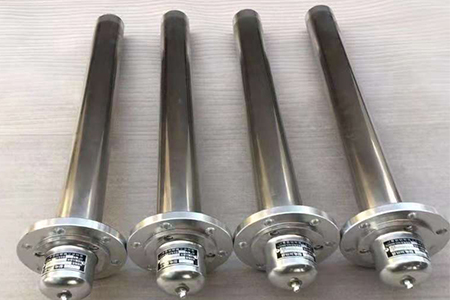
Stainless steel explosion-proof submersible heating tube for thermal oil
The "stainless steel explosion-proof submersible heating tube for thermal oil" you mentioned is commonly referred to as an explosion-proof electric heating tube for thermal oil, which is the core heating element in a thermal oil furnace system. It is directly immersed in the thermal oil, converting electrical energy into heat energy, and under the principles of fluid thermodynamics, uniformly transfers heat to the thermal oil medium, thereby meeting the high-temperature requirements of industrial processes.
For this specific working condition, the selection and use of equipment have strict technical standards. The following are the core technical points for your reference:
1. Core Material and Structural Requirements
Tube Material Selection: Thermal oil heating conditions typically involve high temperatures (250°C-320°C), and ordinary 304 stainless steel cannot meet long-term high-temperature requirements. It is necessary to use 321, 316L, or 310S seamless stainless steel tubes, which have excellent high-temperature resistance and anti-coking properties.
Internal Filling: The tube should be evenly distributed with high-temperature resistance wires, and the gaps should be densely filled with crystalline magnesium oxide powder with excellent thermal conductivity and insulation, ensuring high thermal efficiency, uniform heat dissipation, and long service life.
Explosion-Proof Structure: Due to the flammable and explosive nature of thermal oil, the heating tube must be used in conjunction with an explosion-proof junction box. The junction box housing is typically made of cast aluminum alloy, with a surface treated by high-voltage electrostatic spraying, and all exposed fasteners must be made of stainless steel to suit explosion-proof areas such as chemical and petroleum industries.
2. Key Operating Parameters (Surface Load Control)
In thermal oil heating, surface load (W/cm²) is the most critical indicator determining the life of the heating tube. Excessive load can cause local overheating, coking, carbonization of the thermal oil on the tube wall, ultimately burning out the heating tube.
Safety Standard: The surface load for thermal oil heating is recommended to be controlled at 6-7 W/cm², and it is strictly prohibited to exceed 8 W/cm².
Correspondence between Tube Diameter and Load: The larger the tube diameter, the lower the allowable surface load. For example, for tube diameters of φ14.1 to φ18, the load should be ≤16 W/cm² (note: this is a general standard, and for thermal oil, it needs to be significantly reduced based on this).
3. Installation and Operation Pitfall Avoidance Guide
Must Be Fully Submerged: The effective heating zone of the submersible heating tube must be completely immersed in the thermal oil (typically required to be at least 50mm below the liquid surface). It is strictly prohibited to expose it above the liquid surface for dry burning, as this will burn it out in a very short time.
Ensure Oil Flow Rate: The flow rate of the accompanying hot oil pump must be sufficient. If the flow rate is too slow, heat cannot be carried away in time, leading to local carbon deposition.
Standard Shutdown Procedure: When stopping work, it is strictly prohibited to shut down at high temperature. The temperature must first be reduced to below 70°C (or to room temperature), then stop the circulation pump and turn off the power. This is to prevent severe carbon deposition caused by the thermal oil stopping flowing while the heating tube surface is at high temperature.
Multiple Safety Interlocks: The explosion-proof heating tube must be used in conjunction with temperature sensors, over-temperature protection devices, low-level protection, and other interlock controls. Once over-temperature or abnormal flow occurs, the power should be immediately cut off.
4. Application Scenarios
This type of explosion-proof submersible heating tube is widely used in chemical material heating, crude oil/heavy oil heating in petroleum, thermal oil storage tanks, reactor insulation, as well as in high-temperature fluid heating places requiring explosion-proof, such as military, offshore platforms, and ships.