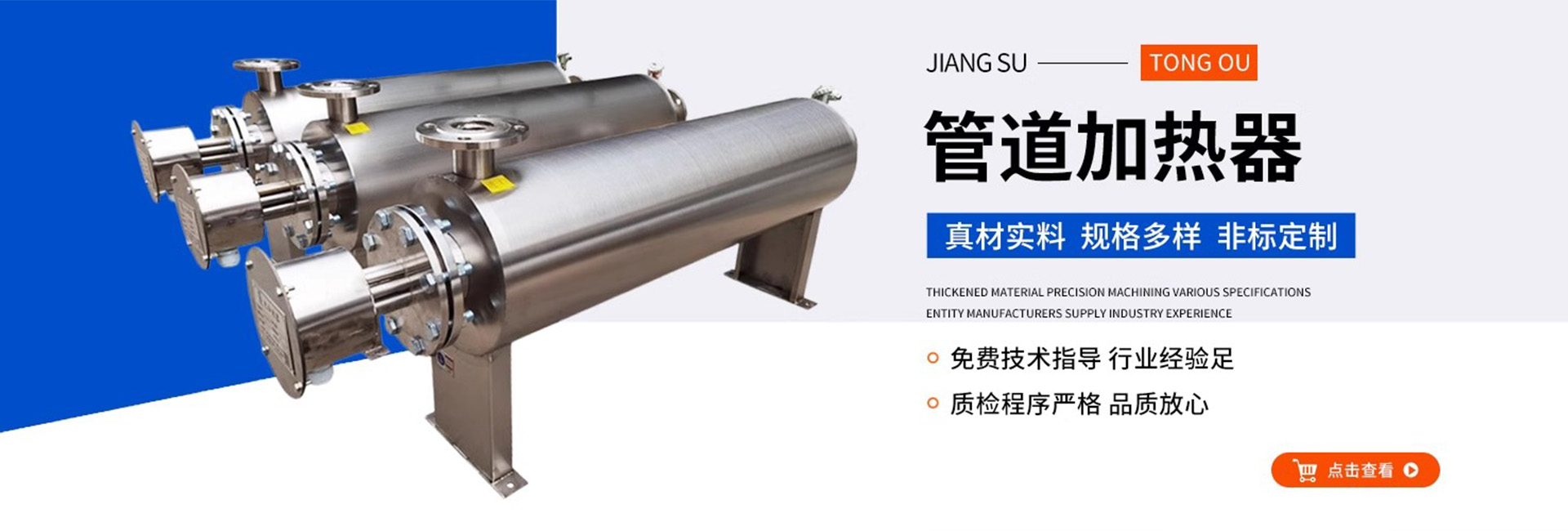

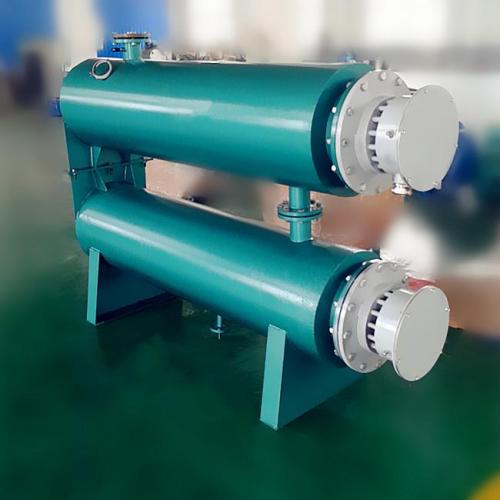
Stainless steel explosion-proof flange heating tube industrial high-power electric heating tube water tank heat transfer oil boiler heating rod 380V
The "stainless steel explosion-proof flange heating tube industrial high-power electric heating tube water tank heat transfer oil boiler heating rod 380V" you mentioned is a common type of equipment in the industrial heating field. Such products usually support non-standard customization to meet the needs of different industrial scenarios. Based on relevant product information, here are the core features and application information of this type of heating tube:
1. Core Technology and Structural Features
Explosion-proof and safety protection: The equipment adopts advanced explosion-proof structural design (such as explosion-proof rating up to ExdIIBT4-CT2, etc.), meeting the requirements for use in flammable and explosive places such as petroleum, chemical, and military industries. Internally, it is usually equipped with temperature measuring elements such as K-type thermocouples for over-temperature protection, and is equipped with interlock protection devices that automatically cut off the power supply in case of over-temperature or low liquid level to ensure safety.
Efficient heating and temperature control: It adopts U-shaped tubular electric heating elements, with high electrothermal conversion efficiency (usually ≥95%), uniform heating, and rapid temperature rise. It supports stepless temperature control and PID precise temperature adjustment, enabling long-term unattended automatic operation.
High-quality materials: The heating core and protective sleeve are mostly made of high-quality stainless steel (such as 304, 316L, 310S, etc.), with anti-oxidation, high-temperature resistance, and corrosion resistance, and a long service life (some can reach 5-10 years or more than 8000 hours).
2. Main Application Fields and Heating Media
This type of heating tube is widely used, mainly for heating the following media and scenarios:
Liquid heating: including process water, heat transfer oil, heavy oil, fuel oil, lubricating oil, paraffin, asphalt and other hydrocarbons, as well as acid and alkali solutions.
Gas heating: constant temperature heating of air, nitrogen, argon, ammonia, water gas, and other gases.
Applicable industries: widely used in chemical, petroleum, machinery, food and pharmaceutical, marine, mining, oven boiler, and water treatment equipment fields.
3. Common Specifications and Parameters (Customization Supported)
Working voltage: conventionally supports 220V single-phase and 380V three-phase four-wire (50HZ).
Power range: supports high-power customization, with common single-tube power ranging from 3KW to 15KW, and larger power can also be customized according to requirements.
Installation method: mostly inserted installation, directly fixed on the wall of storage tanks, water tanks, or pipelines through flanges or threads (screwed).
4. Market Supply and Procurement Suggestions
Currently, there are many source manufacturers (especially in Yancheng, Jiangsu, etc.) providing production and sales services for such equipment. Most merchants support processing and customization based on drawings or samples, and can provide design solutions according to your actual working conditions (such as voltage, power, pipe diameter, flange size, explosion-proof rating, etc.).
Procurement suggestions: Since industrial heating equipment has extremely high safety requirements, it is recommended that when purchasing:
Clarify the specific working conditions (heating medium, target temperature, working pressure, etc.).
Confirm whether the manufacturer has corresponding explosion-proof qualifications and test reports.
Communicate customization requirements in detail to obtain accurate quotations and delivery cycles.
Could you please specify your actual working conditions? For example, heating medium, target temperature, power, and flange size, and I will help you prepare a targeted selection plan.
7 sources
Stainless steel explosion-proof flange heating tube high-power heating rod industrial heat transfer oil electric heating tube water tank heating tube
The "stainless steel explosion-proof flange heating tube high-power heating rod industrial heat transfer oil electric heating tube water tank heating tube" you mentioned is key equipment in the industrial heating field. Such products usually adopt U-shaped tubular electric heating elements, and according to different medium specifications and power configurations, they are installed on flange covers and directly inserted into materials for concentrated heating.
Based on relevant industrial heating equipment information, here are the core technology, application scenarios, and selection points of this type of product:
1. Core Structure and Explosion-proof Principle
Explosion-proof design: Explosion-proof electric heaters are mainly used in dangerous places with flammable and explosive gases, dust, etc. The core explosion-proof measure is to set up a flameproof device in the junction box to eliminate the hidden danger of electric spark ignition. Some electrical junction boxes can be made into flameproof structures (such as Exd II CT1~T6 rating), and the overall protection rating can reach IP56 or even IP65.
Material selection: The outer tube and heating core are mostly made of high-quality stainless steel (such as SUS 304, 316L, 310S) or imported heat-resistant alloys (such as Incoloy800, Incoloy840), with strong corrosion resistance, anti-oxidation, and high-temperature resistance.
Safety protection: The equipment is usually equipped with temperature measuring elements such as K-type thermocouples, combined with interlock protection devices. When the heating element is over-temperature or at low liquid level, the heating power supply will be immediately cut off to avoid dry burning damage and ensure safe operation.
2. Efficient Temperature Control and Heating Characteristics
High power and high thermal efficiency: The flange electric heating tube has a compact structure and high density, with large surface power (can reach 2 to 4 times the surface load of air heating), and the electrothermal conversion efficiency is usually ≥95%, with rapid temperature rise.
Precise temperature control: Supports stepless temperature adjustment and PID calculation control. The system can automatically adjust the output power according to the temperature sensor signal, achieving uniform medium temperature and long-term unattended automatic operation.
3. Main Application Fields and Media
This type of equipment is widely used in petroleum, chemical, food, machinery, military, and other industries, mainly for material insulation and heating in open or closed storage tanks, containers, oil tanks, or circulation systems.
Liquid media: heat transfer oil, heavy oil, fuel oil, lubricating oil, paraffin, process water, and acid and alkali solutions.
Gas media: constant temperature heating of air, nitrogen, water gas, and other fluids.
4. Common Specifications and Customization Parameters
This type of industrial heating tube is mostly non-standard customized products, with common parameter ranges including:
Working voltage: conventionally supports 220V single-phase and 380V three-phase (50HZ).
Power range: single or combined power ranges from 3KW, 15KW to tens of kilowatts (such as 20KW, 30KW), supporting high-power customization.
Installation method: mainly connected through flange or threaded end face sealing, some products can be equipped with an outer sleeve for secondary heat conduction, so that the heating core does not directly contact the medium, further improving safety.
💡 Procurement and Selection Suggestions:
Since industrial heating equipment has extremely high safety requirements and is mostly customized, it is recommended that you clarify the following working condition information to the manufacturer when purchasing: heating medium type, target working temperature, working pressure, required power, and flange size. At the same time, be sure to confirm whether the manufacturer has corresponding explosion-proof qualifications and factory test reports to ensure that the equipment operates safely and stably in your actual working conditions.